Press Center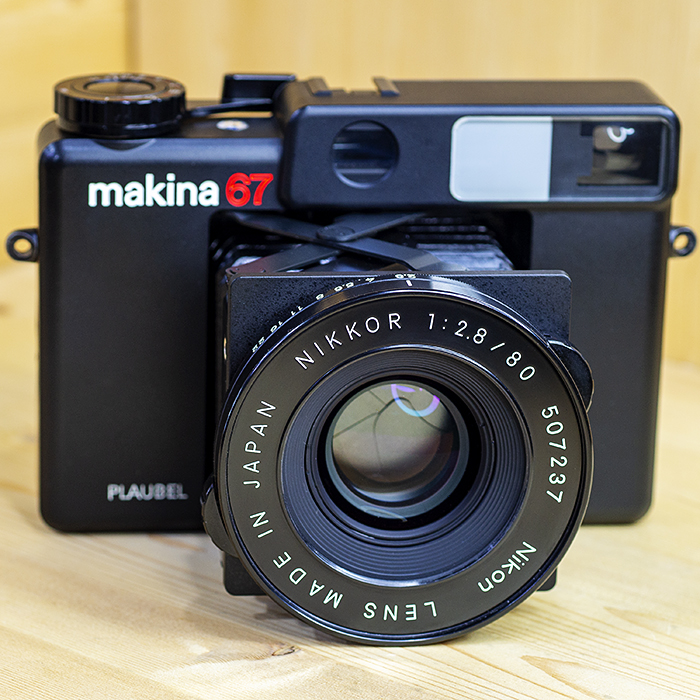
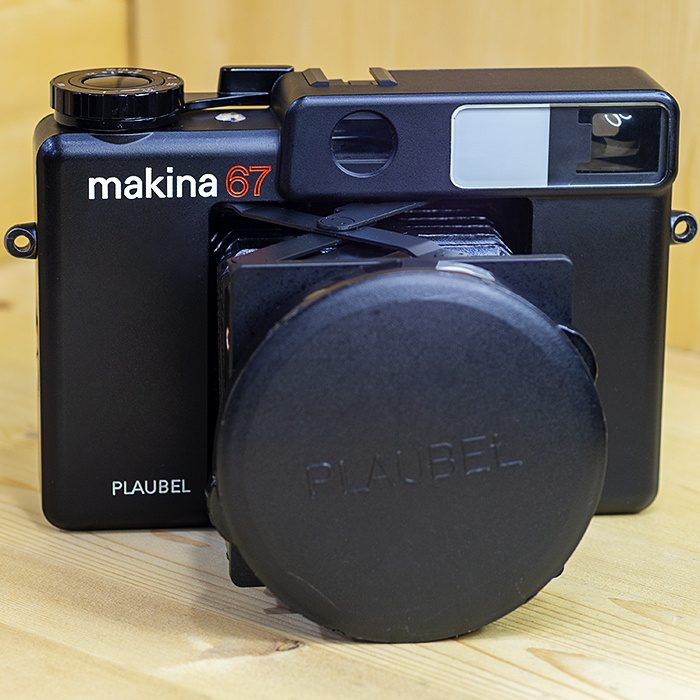
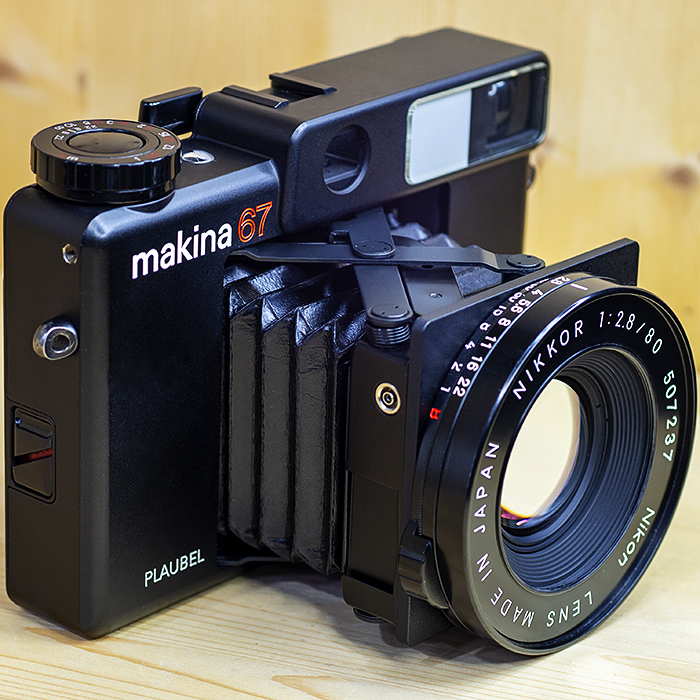
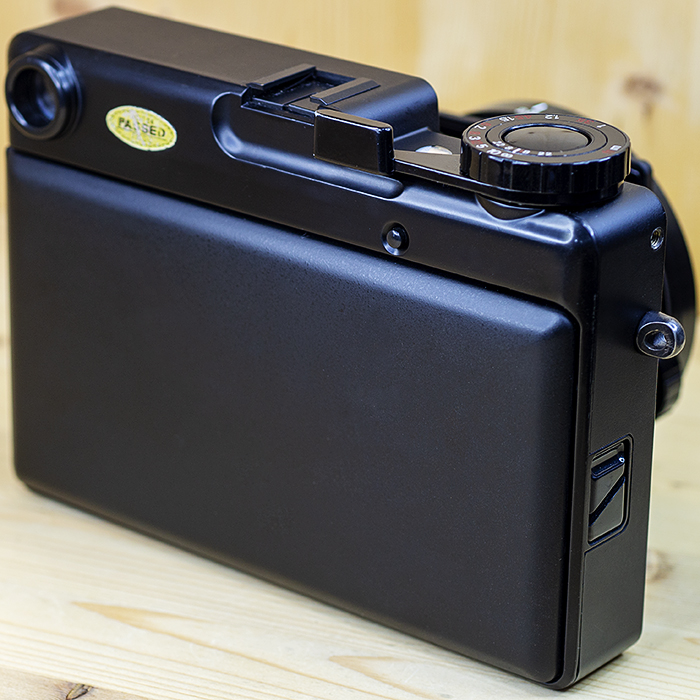
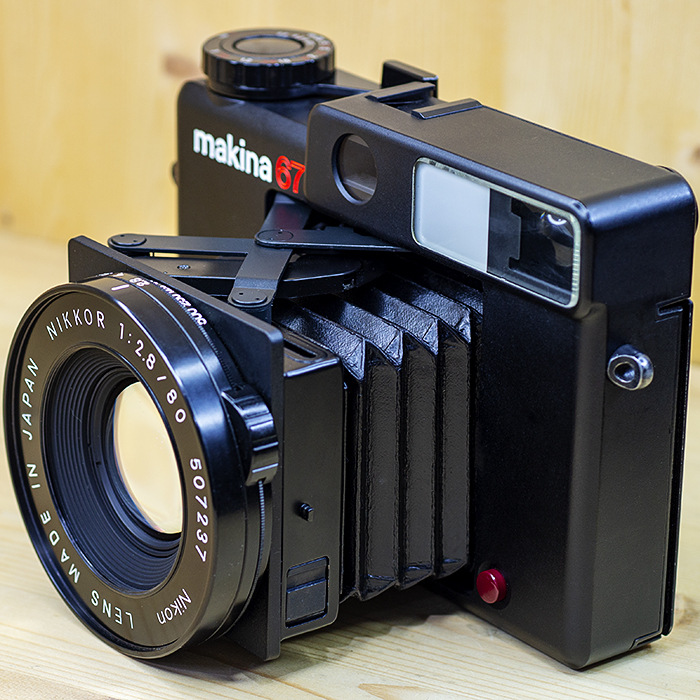
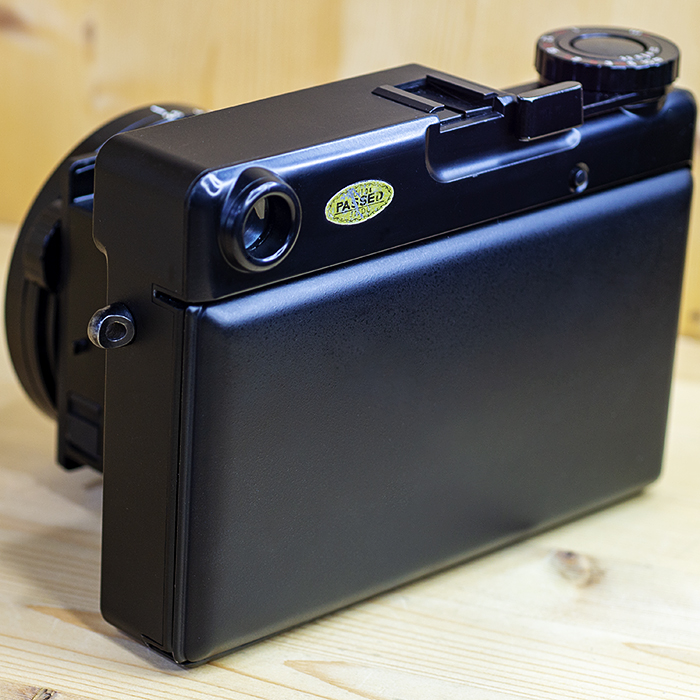
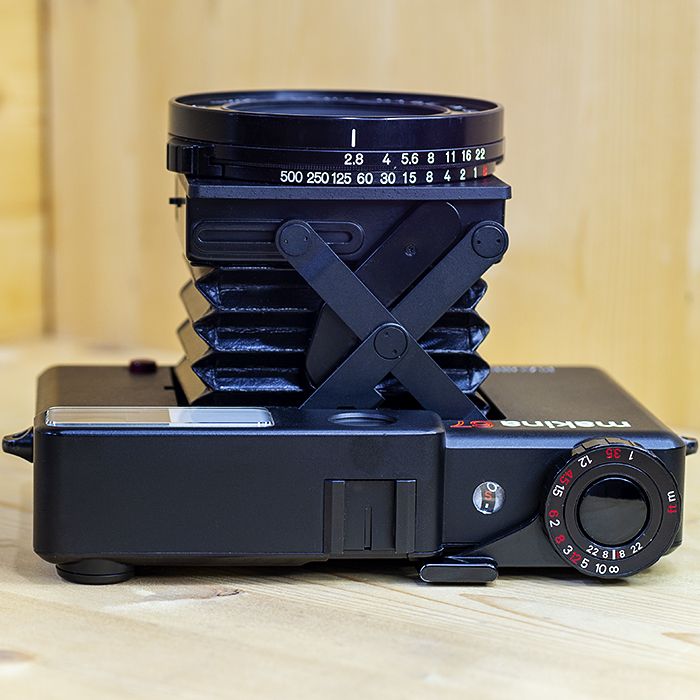
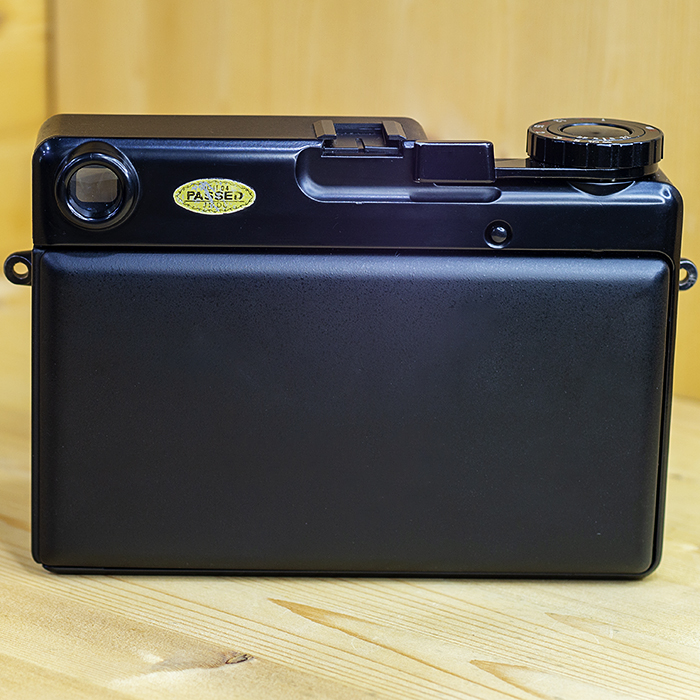
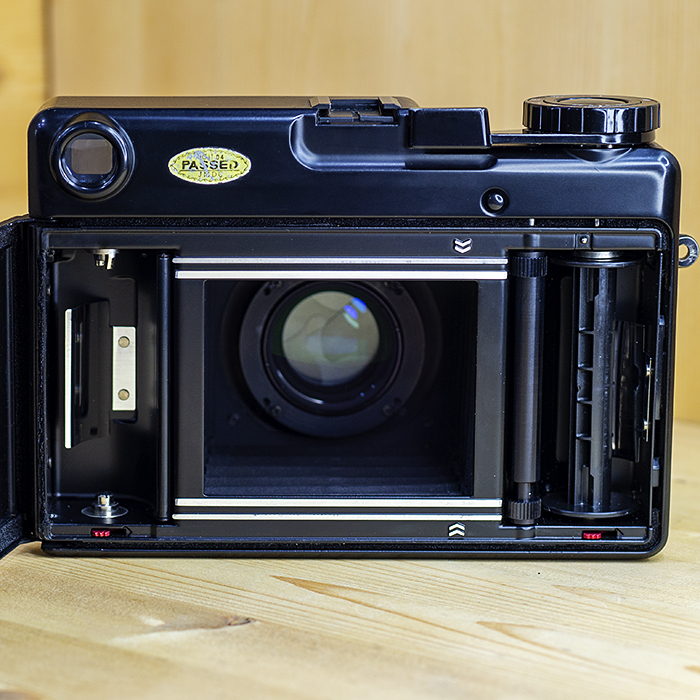
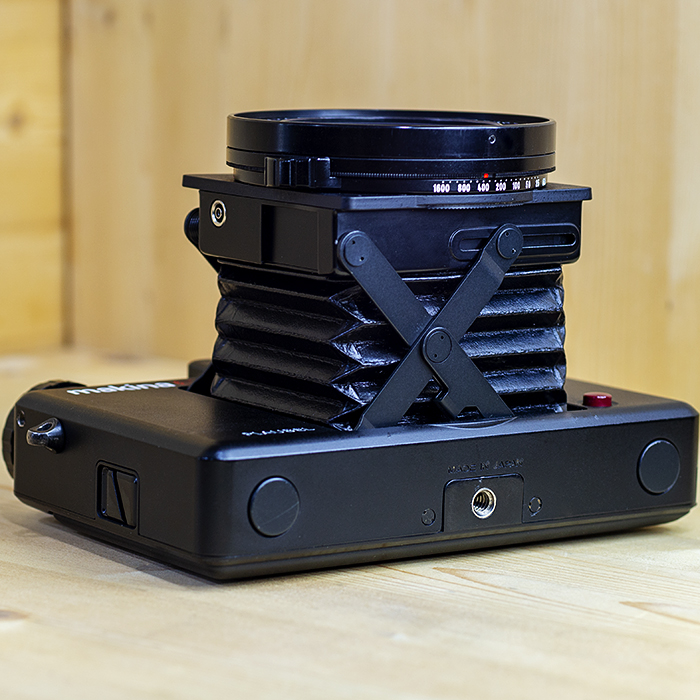
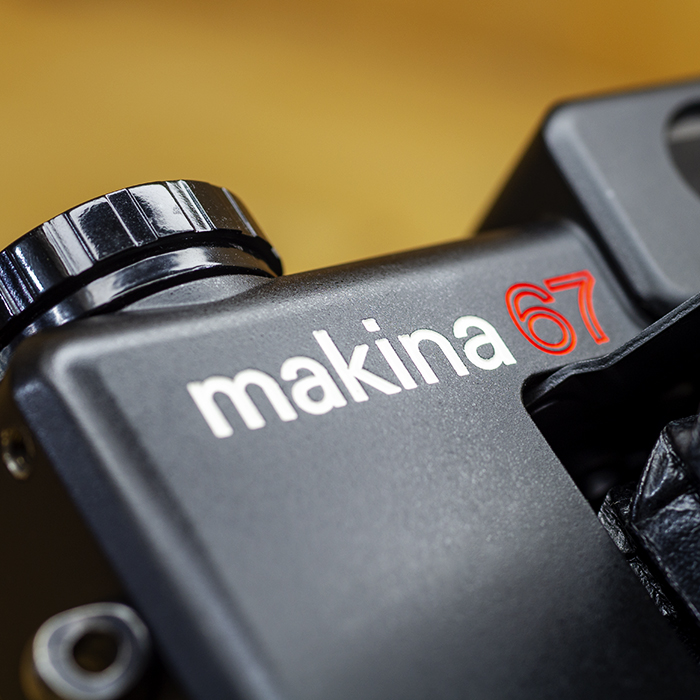
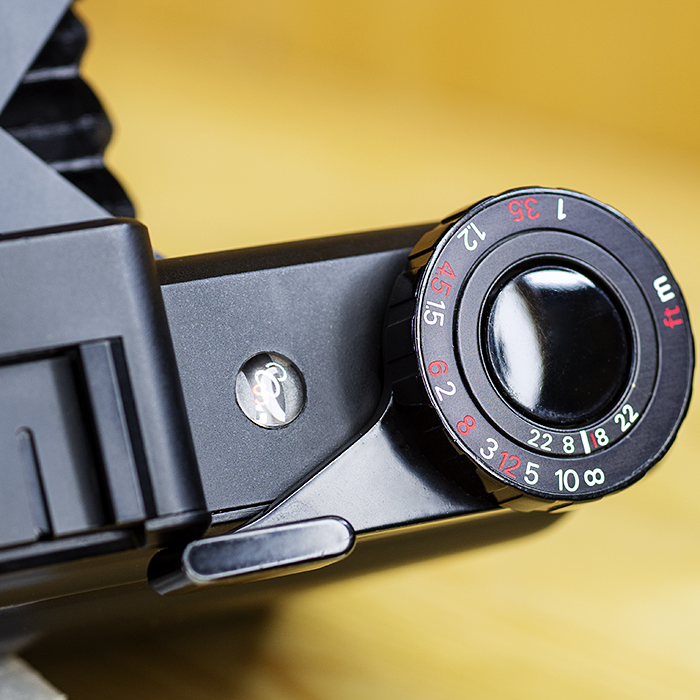
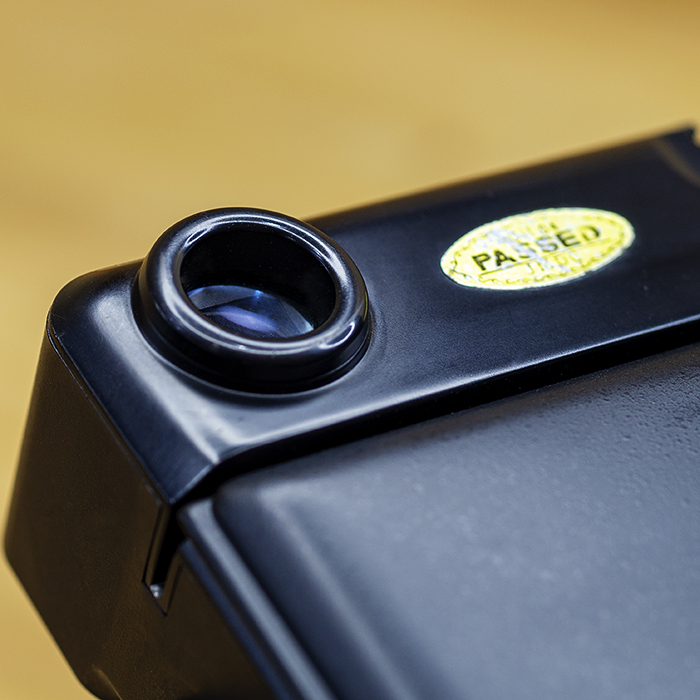
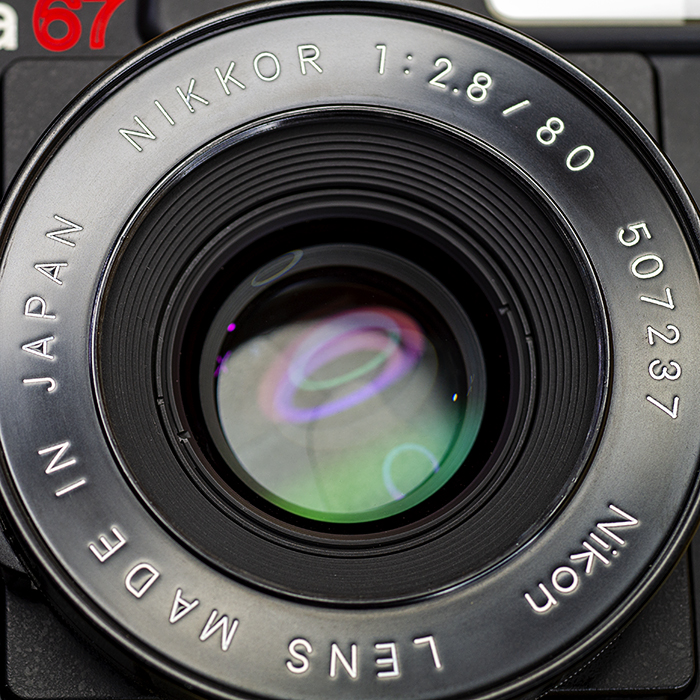
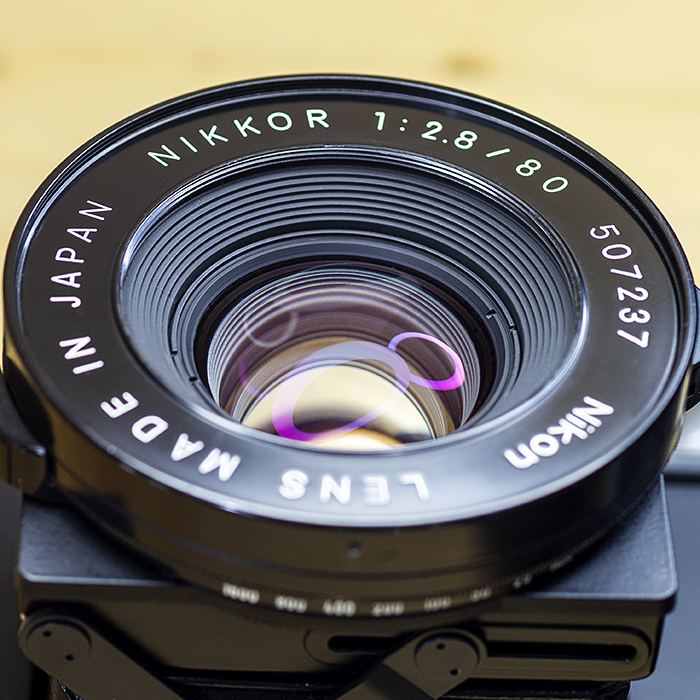
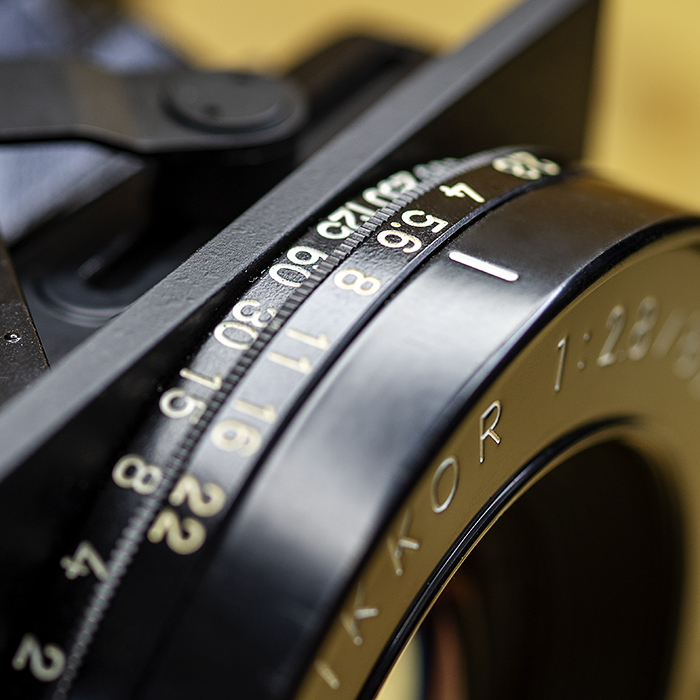
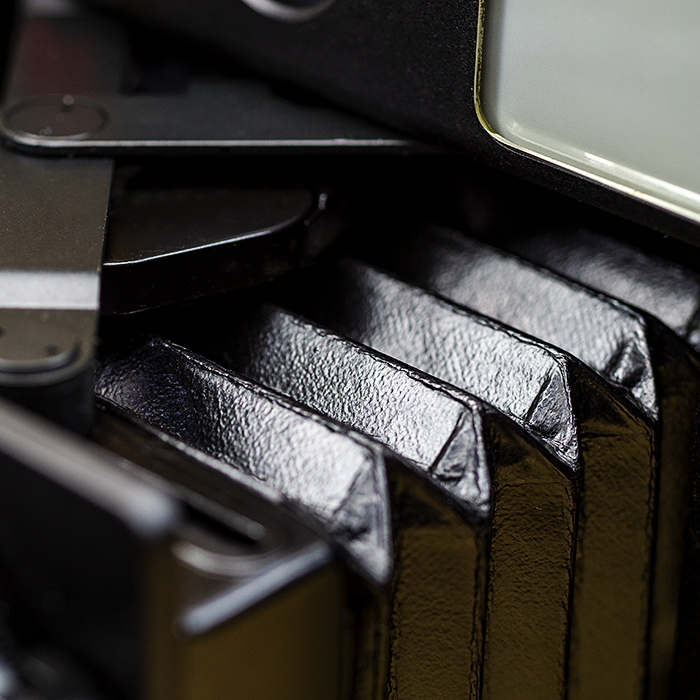
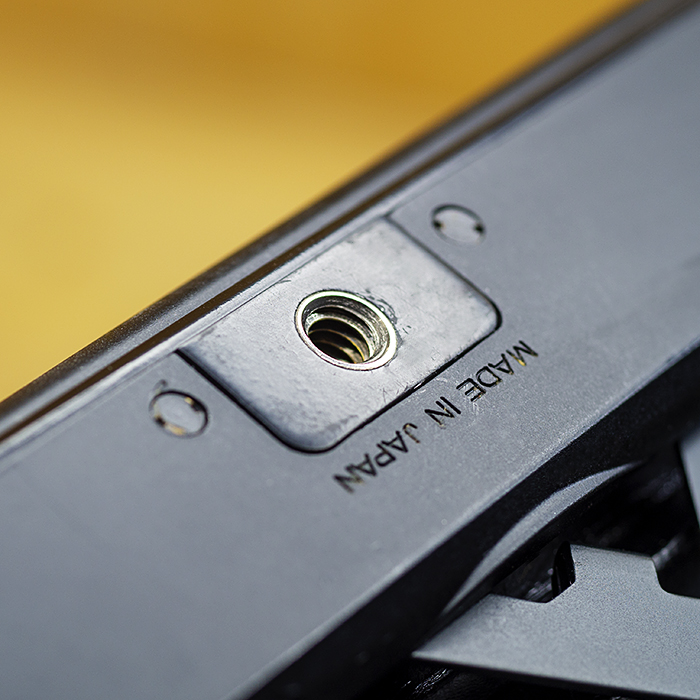
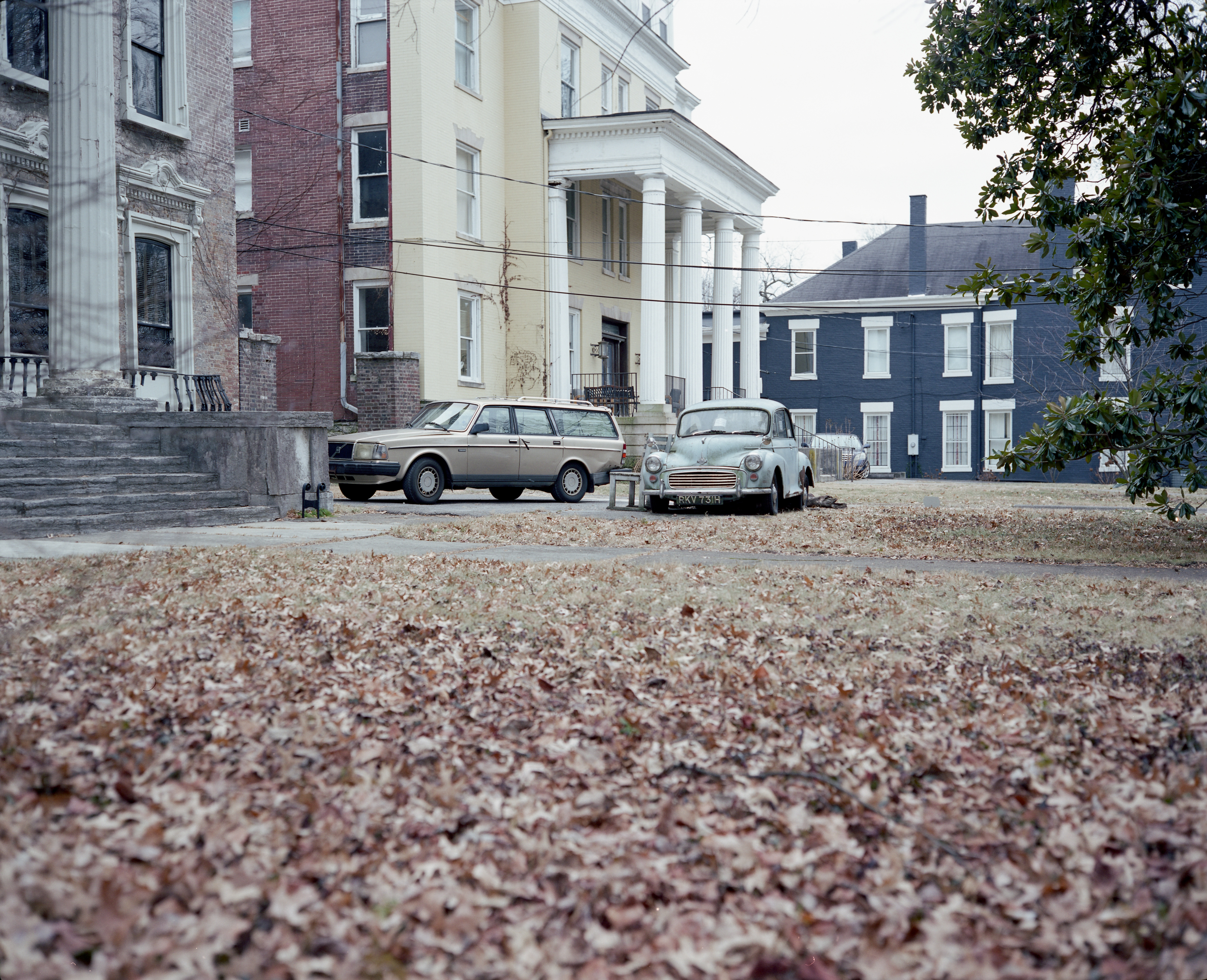
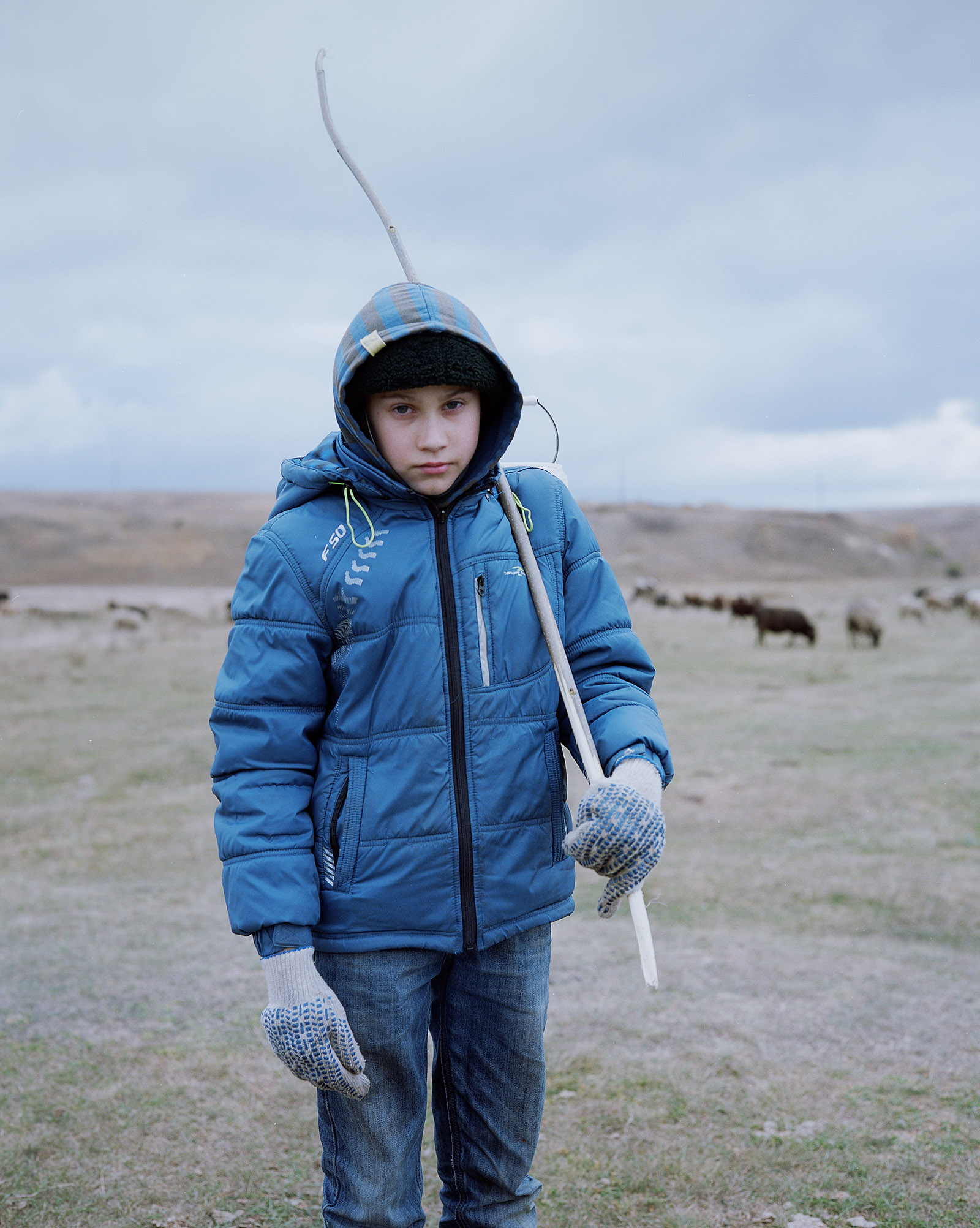
Plaubel Makina 67 + NIKKOR 80mm F2.8
Kimio Doi, of the Doi Group, requested a redesign of the Makinette 67 from Konica, lead by chief designer Yasuo Uchida (previously designer of the 1975 Konica C35 EF). Doi also prioritized the exterior design, and asked professor Udo M. Geissler, from the industrial design department of the Munich University of Applied Sciences[1], for help. Yasuo Uchida then went to Munich to consult with Geissler[2]. The design principles were to create a camera that could 1) take good pictures and 2) be easy to use. Regarding picture quality, the “Doi International Design Department” emphasized that the lens must be excellent and that the camera should use medium format film. The 6×7 format was chosen as the ideal format for prints. Furthermore the rangefinder, exposure meter and other camera parts were designed to be highly durable, ensuring high image quality. As for ease of use, the designers emphasized compactness and light weight for convenient carrying. Priority was also put on making the camera easy to hold and operate, including making the wind lever ergonomic and the size and placement of buttons.[3].
In a 2015 interview, the chief designer, Yasuo Uchida, stated that he disagreed with Geissler on some parts of the exterior design, and had them adjusted. They also argued about the size of the lens face, which Uchida wanted to keep as small as possible, while Geissler wanted as large as possible. Geissler refused to budge, and Uchida yielded in the end. In retrospect Uchida considerds the lens face one of the Makina 67’s distinguishing features, stating that the exterior design is a key factor of the camera, and regards Geissler’s work as “amazing”[4][5].
Doi furthermore wanted to make the Makina 67 an automatic exposure camera, which was a trend at the time. However Uchida refused, as he felt that it was a camera for professionals using slide film, where correct exposure is critical, and AE was not accurate enough in this regard. In the end a manual exposure meter was used. Uchida, from Konica, also requested Doi to use a Konica lens for the camera. However Kimio Doi disagreed, having already paid Nikon for the development of the 80mm f2.8 lens specially for the Makina (or rather Makinette 67 at that time), after taking over Plaubel. Uchida asked for a copy of the lens for testing, and agreed to use it after being satisfied with the results. Besides the external design, Uchida now considers the Nikkor lens a distinguishing feature of the camera.[6][7]
The redesigned Makina 67 was first shown at Photokina 1978, and was released in March 1979.[3] The camera’s shape is reminiscent of the Makinette 6×7 prototype, but also the earlier Makina. After the redesign it also closely resembles the Agfa Optima Sensor Series, for which either professor Geissler or his colleague, professor Norbert Schlagheck, seems to have provided the design through the design firm Schlagheck & Schultes. The similarities with the Agfa camera was also noted in a contemporary Japanese review, pointing out the German roots of the designer, while characterizing it as a roundish, soft and elegant european design.[3]
The production Makina 67 bodies were made in Japan by Konica. They have the aforementioned Nikkor 80/2.8 lens.
_______________________________________________________
Doi Group의 Kimio Doi 는 수석 디자이너 인 Uchida Yasuo (이전의 1975 년 Konica C35 EF 디자이너)가 이끄는 Konica 의 Makinette 67을 재 설계해야한다고 요청했습니다 . Doi는 또한 외부 디자인의 우선 순위를 정하고 뮌헨 응용 과학 대학교 (University of Applied Sciences ) 의 산업 디자인 부서의 Udo M. Geissler 교수 에게 도움을 요청했습니다. 우치다 야스오 (Yasuo Uchida)는 뮌헨 (Munich)으로 가서 가이슬러 (Geissler) [2]. 디자인 원칙은 1) 좋은 사진을 찍을 수 있고 2) 사용하기 쉬운 카메라를 만드는 것이 었습니다. “Doi International Design Department”는 화질에 대해 렌즈가 우수해야하며 카메라는 중간 포맷 필름을 사용해야한다고 강조했습니다. 6×7 형식이 인쇄물에 이상적인 형식으로 선택되었습니다. 또한 거리 측정기, 노출계 및 기타 카메라 부품은 내구성이 높고 고화질을 보장하도록 설계되었습니다. 사용 편의성을 고려하여 설계자는 간편한 운반을 위해 소형화 및 경량화를 강조했습니다. 인체 공학적으로 바람 레버를 만들고 단추의 크기와 배치를 포함하여 카메라를 잡고 조작하기 쉽도록 우선 순위를 매겼습니다. [3] .
2015 년 인터뷰에서 수석 디자이너 인 야스오 우치다 (Yasuo Uchida)는 외부 디자인의 일부에 대해 가이 슬러 (Geissler)와 의견을 달리하고 조정했다고 발표했습니다. 그들은 또한 가이 슬러가 가능한 한 크게 원했던 반면 우치다는 가능한 한 작게하고 싶었던 렌즈면의 크기에 관해 논했습니다. 가이 슬러 (Geissler)는 개입을 거부했고 결국 우치다 (Uchida)는 결국 굴복했다. 돌이켜 보면 우치다는 외관 디자인은 카메라의 핵심 요소임을 알리는 렌즈 얼굴 MAKINA 67의 두드러진 특징 중 하나를 considerds하고, “놀라운”로 슬러의 작품에 관하여 [4] [5] .
Doi는 또한 Makina 67을 자동 노출 카메라로 만들고 싶었습니다.이 카메라는 당시 추세였습니다. 그러나 Uchida는 올바른 노출이 중요한 슬라이드 필름을 사용하는 전문가를위한 카메라라고 느꼈으면서 AE는이 점에 관해서는 정확하지 않았습니다. 결국 수동 노출계가 사용되었습니다. Konica의 Uchida는 Doi에게 카메라에 Konica 렌즈를 사용하도록 요청했습니다. 그러나 Kimi Doi는 이미 Nika에게 Plaubel을 인수 한 후 Makina (또는 그 당시 Makinette 67)를 위해 특별히 제작 된 80mm f2.8 렌즈의 개발비를 지불 한 것에 동의하지 않았습니다. 우치다는 시험용 렌즈의 사본을 요청했고, 결과에 만족 한 후에 그것을 사용하기로 동의했다. Uchida는 외부 디자인 외에도 Nikkor 렌즈를 카메라의 특징으로 간주합니다. [6] [7]
새롭게 디자인 된 Makina 67은 Photokina 1978 에서 처음 공개되었으며 1979 년 3 월에 출시되었습니다. [3] 카메라 모양은 Makinette 6×7 프로토 타입을 연상케하지만 초기 Makina 도 마찬가지 입니다. 다시 설계 한 후에 Geaisler 교수 또는 그의 동료 Norbert Schlagheck 교수가 디자인 회사 인 Schlagheck & Schultes를 통해 디자인을 제공 한 것으로 보이는 Agfa Optima 센서 시리즈 와 매우 유사합니다 . 아그파 (Agfa) 카메라와의 유사성은 현대의 일본 리뷰에서 주목 받았고, 디자이너의 뿌리를 지적하면서도 원형 같고 부드럽고 우아한 유럽 디자인으로 특징지었습니다. [삼]
생산 Makina 67 시체는 코니카에 의해 일본에서 만들어졌다 . 그들은 앞서 언급 한 Nikkor 80 / 2.8 렌즈를 가지고 있습니다.
카메라에 대해 조금 더
Plaubel Makina 67은 독일에서 설계되었으며 일본에서 제작되었으며 고정형 Nikkor 80mm f2.8 렌즈를 사용합니다. 접을 수있는 중형 거리 측정기이며 이보다 더 독특하지 않습니다. 원래 Makina는 1912 년부터 1953 년까지 프랑크푸르트에서 제조되었습니다. 어느 시점에서 회사는 Plaubel Makina가되었고 공사는 일본으로 이전되었습니다.
카메라는 120 개의 중간 포맷 필름에 6×7 이미지를 촬영하므로 6×6 Hasselblad에서 촬영 한 12 장에 비해 롤당 10 장의 사진을 촬영할 수 있습니다.
더 많은 기술 사양은 다음과 같습니다.
- 렌즈 : Nikkor 80mm f2.8, 4 군 6 매, 렌즈
- 조리개 : f2.8 ~ f22, 5- 블레이드 다이어프램
- 초점 : 거리계
- 초점 범위 :
- 셔터 : 1 ~ 1/500 초, 벌브, 코팔 셔터
- 크기 : 162 × 120 × 56mm
- 무게 : 1,360g
- 재료 : 금속
- 플래시 : 1/500에서 x 플래시 동기화
- 필름 : 120 필름, 자동 필름 진행 및 레버
Plaubel Makina 67, W67 & 670
모델 67 및 670 에는 Nikkor 80mm f / 2.8 렌즈가 있습니다. 두 모델 모두 120 롤필름 에서 6 × 7cm 10 장의 노출을 촬영하는 반면 670 모델은 220 개의 롤필름 (롤당 20 장의 노출) 도 수용 합니다. 모델 W67 은 670 모델과 유사하지만 광각 Nikkor 55mm 렌즈 ( 135 형식의 28mm 렌즈와 거의 동일 )를 사용합니다. 55mm는 아날로그 사진 시대에 제작된 제품 중 가장 날카롭고 플레어가 없는 것으로 간주되었습니다.
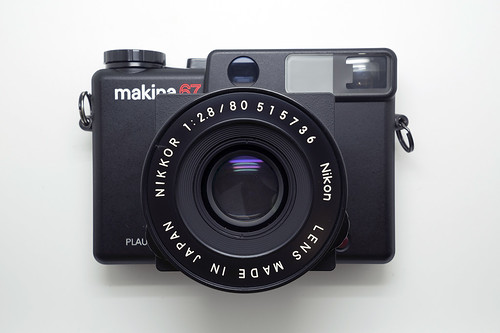
Plaubel Makina 67
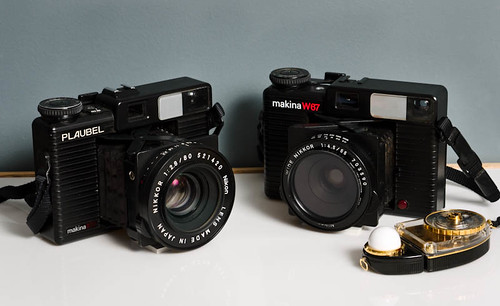
Plaubel Makina 670 및 Makina W67 광각 모델
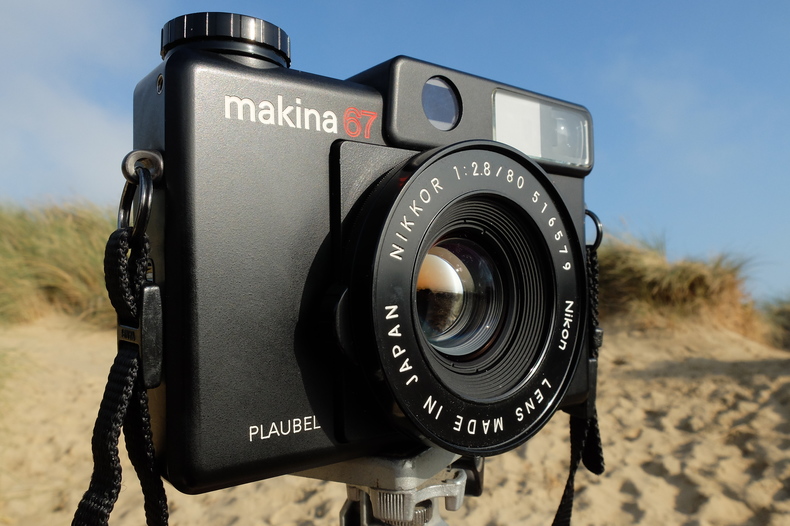
Plaubel Makina 67Plaubel Makina 67은 120 필름에 6x7cm 프레임을 촬영하는 접을 수있는 거리계입니다. 그것은 70 년대 후반 / 80 년대 초반으로 거슬러 올라갑니다. 접었을 때 가장 작은 6×7 카메라라고 생각합니다. 여기에 접혀 있습니다.
그리고 확장 :
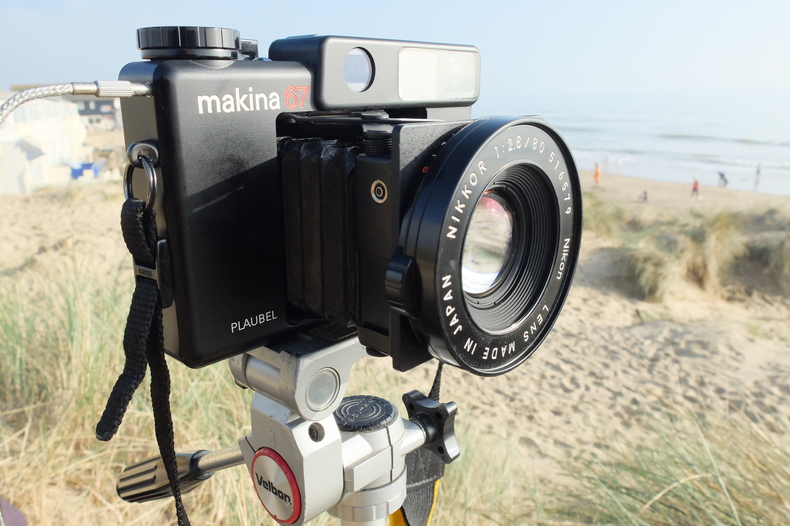
케이블 릴리즈가 본체 측면에 있다는 사실이 마음에 듭니다. 셔터 버튼을 조이는 것보다 더 정교 해 보입니다.
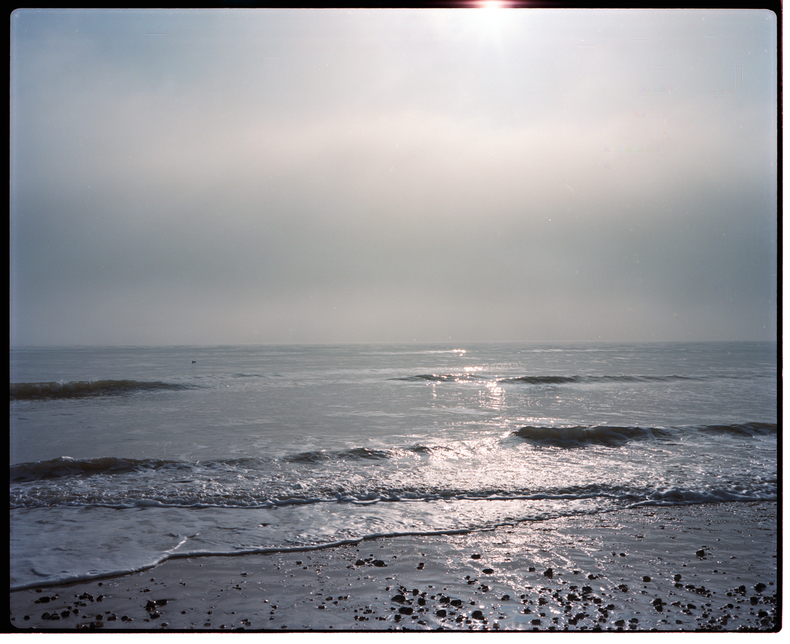
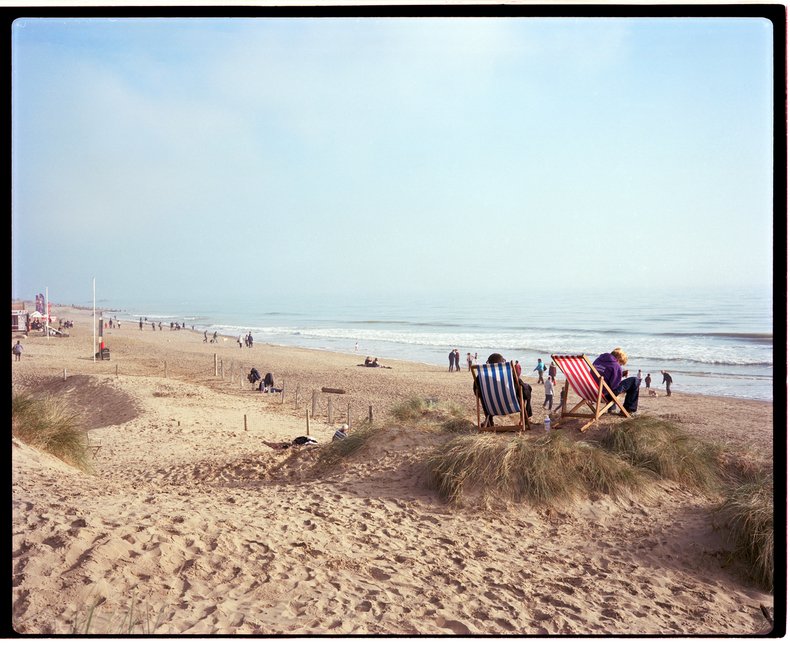
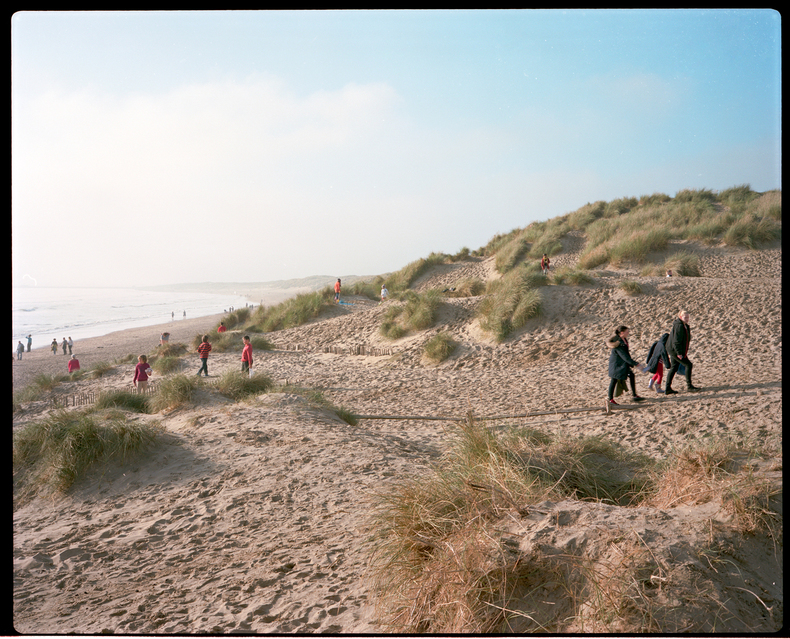
67의 가장 유명한 사용자는 아마도 그의 가장 유명한 작품을 촬영 한 Martin Parr 일 것입니다. 그래서 남해안 버전의 The Last Resort를 직접 제작하겠다는 비전을 가지고 아이들과 함께 Camber Sands로 향했습니다. Parr는 그의 67과 함께 Vivitar 283 플래시를 사용했지만 다시는 위험을 감수하지 않았습니다. 자연광이면 충분합니다.
Plaubel은 견고 해 보이는 카메라이고 저는 그것의 단순함을 좋아합니다.